Exclusively for Supplemental Learning. Not for Public Use. CNA Web has borrowed various learning materials from various sites. Students must also refer to their manuals.
Explore Learning Together
Blog Feed


Russia's Enteromix Cancer Vaccine Ready for Clinical Use What Does This Mean for Patients


The Value of Perseverance in the Life of a CNA


Unlocking the Secrets of Oral Health: Prevention, Treatment, and Well-Being
Theoretical Foundations
As a Certified Nursing Assistant (CNA), is crucial to continuously develop and enhance our knowledge of the basics of our profession. By equipping ourselves with ideas, concepts, and themes, we can think critically about why our patients are seeking help and provide best care possible. Let's strive to be the best CNAs we can be!


Clinical Skills - A true-blooded CNA should have!

Vital signs are critical indicators of a patient's overall health and are essential for monitoring, diagnosing, and managing various medical conditions. For Certified Nursing Assistants (CNAs), accurately measuring and recording vital signs is a fundamental responsibility.

Handwashing is one of the most important practices for preventing the spread of infections and maintaining hygiene in healthcare settings and daily life. For Certified Nursing Assistants (CNAs) and other healthcare workers, proper handwashing is a critical skill that protects both the patient and the caregiver
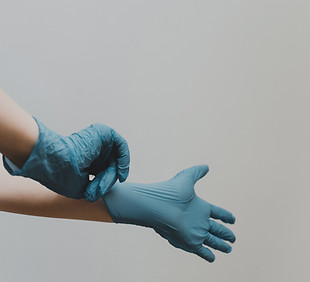
Personal Protective Equipment (PPE) is vital for Certified Nursing Assistants (CNAs) in protecting themselves, their patients, and others from the spread of infections and hazardous materials. Proper use of PPE is a critical aspect of infection control in healthcare settings.

Sterile gloves are an essential component of personal protective equipment (PPE) used in healthcare settings to prevent contamination during medical procedures that require a sterile environment, such as surgeries, wound care, or inserting catheters.

A tepid sponge bath is a method used to help reduce fever and provide comfort, especially for patients who cannot tolerate more direct methods of cooling down.

A bed bath is a method of bathing a patient who is bedridden or unable to take a bath or shower independently. It ensures personal hygiene while providing comfort and maintaining skin integrity.

Turning clients is an essential aspect of patient care, particularly for those who are bedridden or have limited mobility. Proper turning techniques help prevent complications such as pressure sores (bedsores), muscle atrophy, and respiratory issues.

Changing a client's gown is a basic yet crucial task in maintaining personal hygiene and comfort, particularly for those who are bedridden or have limited mobility.

Changing a diaper is a fundamental aspect of caregiving for infants, toddlers, and some adults, particularly those with limited mobility or incontinence. Proper technique ensures hygiene, comfort, and prevention of skin issues.

Making an occupied bed involves changing the bed linens while the patient is still in bed. This task requires careful handling to ensure the patient's comfort and safety while maintaining hygiene and cleanliness.

Making an occupied bed involves changing the bed linens while the patient remains in bed. This task must be performed with care to ensure the patient's comfort and safety.

Making an occupied bed involves changing the bed linens while the patient remains in bed. This task must be performed with care to ensure the patient's comfort and safety.

Suctioning is a medical procedure used to remove secretions, fluids, or debris from a patient's airway or other body cavities to maintain clear breathing passages.

Enteral feedings involve providing nutrition directly into the gastrointestinal tract through a tube. This method is utilized when a patient cannot eat by mouth but has a functioning digestive system.

A urinary catheter is a medical device used to drain urine from the bladder when a patient is unable to urinate naturally.
.jpeg)
Colostomy care involves managing a colostomy, which is a surgical procedure where a portion of the colon is diverted to an opening in the abdomen, creating a stoma for waste elimination.

Wound care is a critical aspect of patient management that involves cleaning, treating, and protecting wounds to promote healing and prevent complications. Proper wound care helps reduce the risk of infection, supports the natural healing process, and improves patient comfort.

Cardiopulmonary resuscitation (CPR) is a life-saving technique used in emergencies when someone's breathing or heartbeat has stopped. It involves a combination of chest compressions and rescue breaths to maintain blood flow to vital organs and increase the chances of survival.

CPR for pediatric patients (children and infants) differs slightly from adult CPR due to differences in anatomy and physiological responses.

As a CNA, understanding insulin administration is crucial for assisting patients with diabetes. Proper insulin administration involves preparing the insulin, selecting and cleaning the injection site, and accurately injecting the medication. It is important for CNAs to monitor patients for signs of hypoglycemia or hyperglycemia and ensure proper disposal of needles.

Medical terminologies are essential for CNAs to understand as they help in accurately describing patient conditions, communicating with healthcare professionals, and ensuring effective and precise care.

RBS (Random Blood Sugar) monitoring is a crucial practice for CNAs as it helps in assessing a patient’s blood glucose levels at various times throughout the day.

The ABCDE assessment is a vital tool for CNAs, as it provides a structured approach to quickly evaluate and address a patient's critical needs, ensuring effective and timely care in emergency situations.

Pain assessment is essential for CNAs to accurately gauge and address a patient’s discomfort, ensuring appropriate interventions and improving overall patient comfort and care.

SBAR (Situation, Background, Assessment, Recommendation) skills are crucial for CNAs to communicate effectively with healthcare professionals, ensuring that patient information is clearly and concisely conveyed for appropriate care and decision-making.

Therapeutic communication is essential for CNAs as it fosters trust and rapport with patients, enhances understanding, and supports emotional and psychological well-being through active listening, empathy, and effective dialogue.

Foot care is essential for maintaining overall health, especially for individuals with diabetes, circulation problems, or mobility issues. Proper foot care can help prevent infections, sores, and complications that can lead to serious health issues.

Female perineal care involves cleaning the genital and anal areas to maintain hygiene and prevent infections, especially in individuals who are bedridden or have mobility issues.

Male perineal care is essential for maintaining hygiene and preventing infections, particularly for those who are bedridden or have limited mobility.

Hair shampooing is crucial for maintaining hygiene and comfort, particularly for patients who are bedridden or have limited mobility. Certified Nursing Assistants (CNAs) play a key role in this process.

This gait mimics a natural walking pattern and is used for individuals with partial weight-bearing capabilities on both legs.

The non-weight-bearing leg does not touch the ground. This gait provides stability while allowing mobility for individuals with one injured or non-weight-bearing limb.

The 4-point gait is a crutch-walking technique that provides maximum stability and is used for individuals with partial weight-bearing on both legs.

This technique mimics a natural walking motion and provides support for individuals with mild balance or stability issues.